How Paris Hilton’s Home Reflects Luxury Branding



How Paris Hilton’s Home Reflects Luxury Branding
When I analyze celebrity homes through the lens of architecture, I often see more than just a place to live—I see branding in built form. Paris Hilton’s home is a perfect example of how architecture can act as an extension of personal identity and global image. Her residence doesn’t just represent luxury living; it reflects carefully curated luxury branding, where design, space, and aesthetics communicate exclusivity. Interestingly, many of these ideas align with principles found in indianarchitecture, where homes historically symbolized status, culture, and lifestyle.
Rather than being subtle, this home confidently embraces visibility, glamour, and iconic design.
Architecture as a Brand Statement
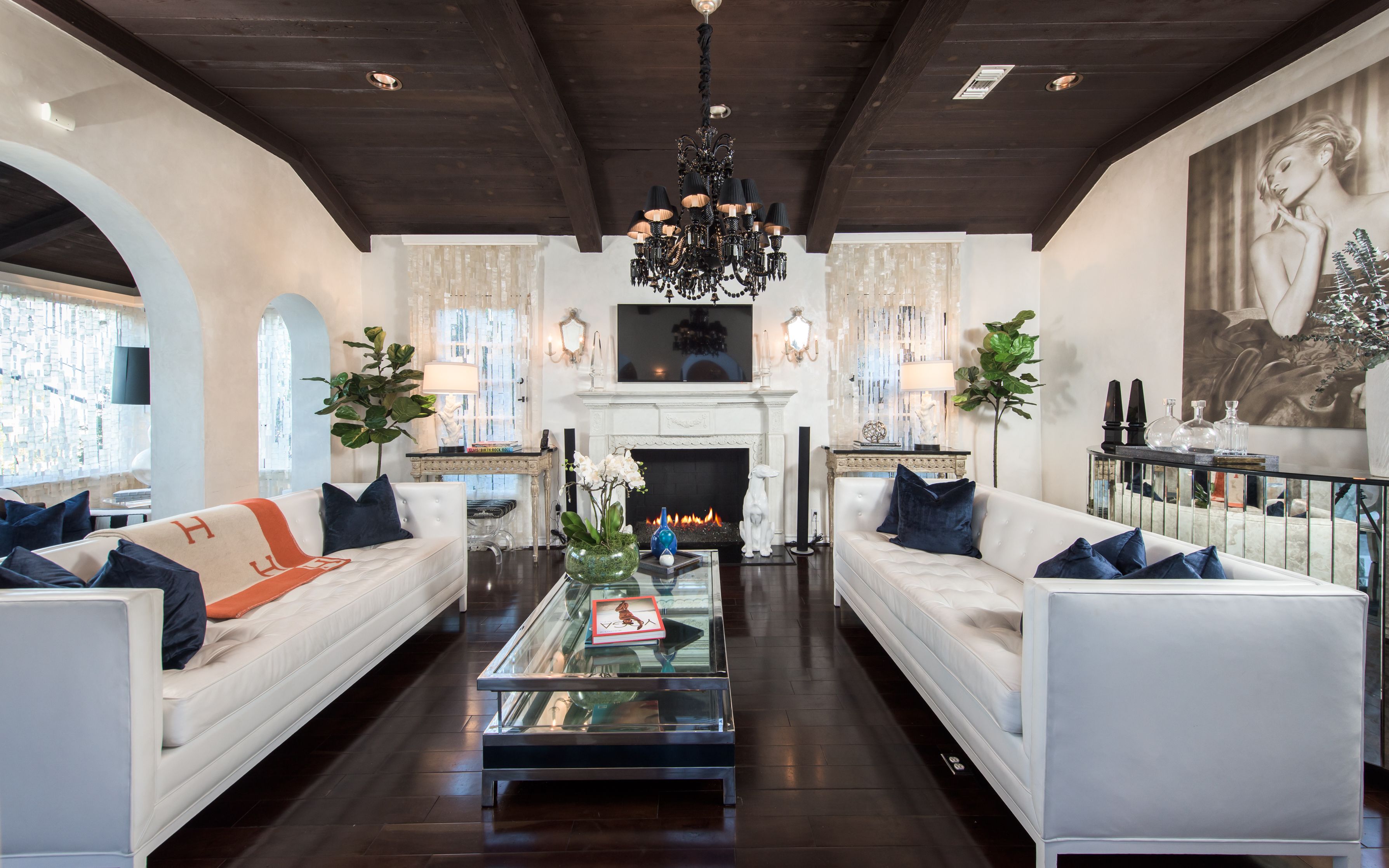
Paris Hilton’s home functions as a physical brand asset. The architecture is designed to be instantly recognizable—grand forms, bold symmetry, and statement spaces dominate the layout. Every architectural element supports her public image of glamour, confidence, and high fashion.
In traditional indianarchitecture, palaces and havelis were designed to reflect power and prestige. Architecture was never neutral—it communicated identity. Paris Hilton’s home follows the same philosophy, translating personal branding into spatial design.
Spatial Planning for Visibility and Impact
The architectural planning prioritizes spaces meant to be seen. Large living rooms, dramatic entrances, and expansive entertainment areas are designed for hosting, photoshoots, and public-facing moments.
From an architecture perspective, this is strategic planning. Public and semi-public spaces are emphasized, while private areas are carefully placed deeper within the layout. Indian royal homes used similar planning techniques, creating ceremonial spaces at the front and private quarters inward—an approach deeply rooted in indianarchitecture.
Luxury Through Scale and Proportion
Scale plays a major role in defining the luxury branding of this home. High ceilings, oversized rooms, and wide corridors create a sense of grandeur. The architecture ensures that every space feels larger than life, reinforcing the image of exclusivity.
Indian palatial architecture mastered the use of scale centuries ago. Through courtyards, double-height halls, and layered spaces, indianarchitecture demonstrated how size and proportion can convey importance—an idea clearly echoed in Paris Hilton’s residence.
Material Selection as a Branding Tool
Materials in Paris Hilton’s home are chosen not just for durability, but for visual impact. Polished surfaces, reflective finishes, luxurious fabrics, and statement textures dominate the interiors.
In architecture, materials communicate value. Traditional Indian homes and palaces used marble, stone, and intricate craftsmanship to signal wealth and refinement. This symbolic use of materials is a defining trait of indianarchitecture and remains relevant in modern luxury branding.
Interior Architecture and Visual Drama
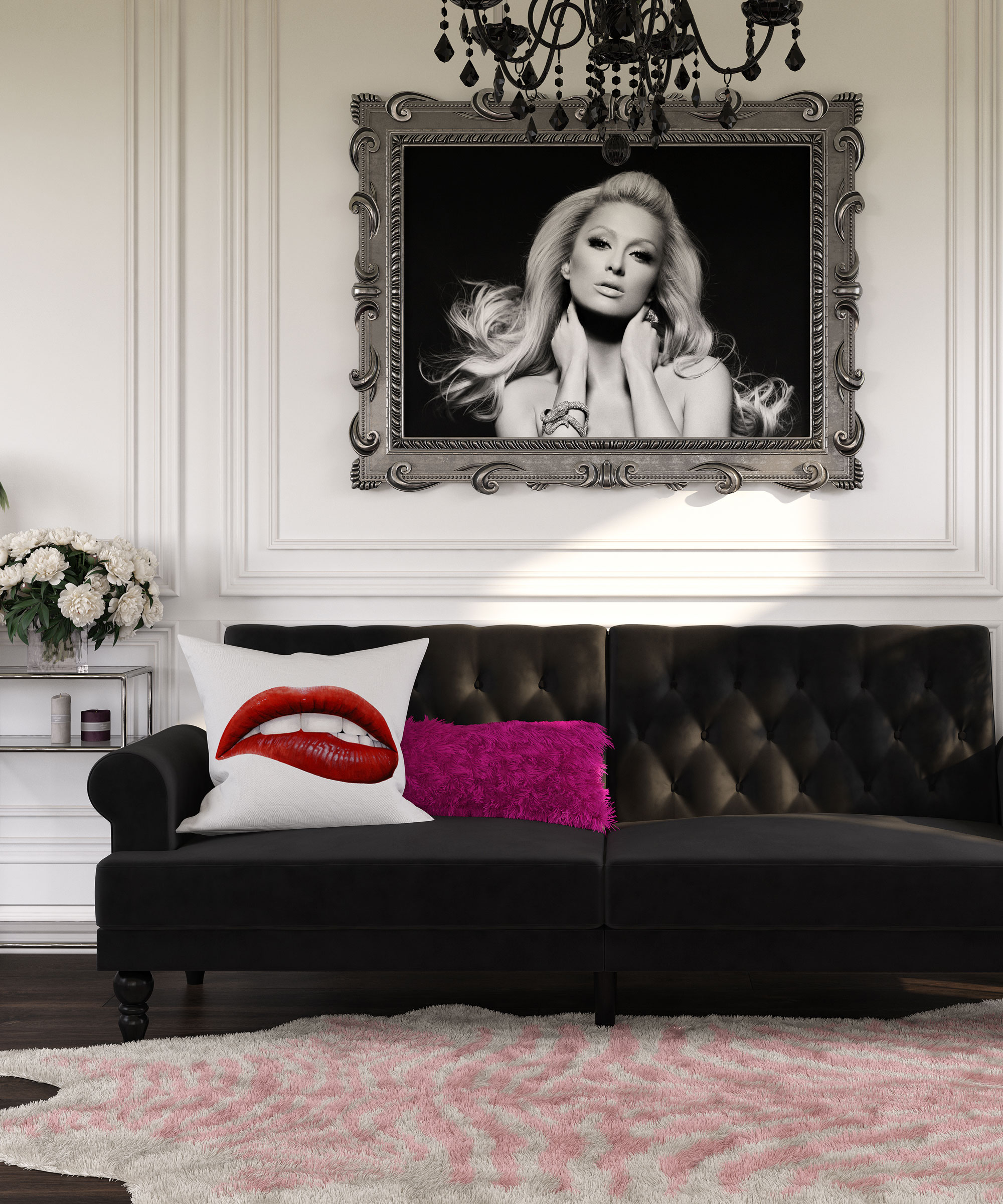
The interior architecture embraces glamour unapologetically. Bold color contrasts, curated décor, and dramatic lighting create spaces that feel theatrical rather than understated.
From an architectural standpoint, this design supports brand consistency. Paris Hilton’s public persona is vibrant and expressive, and her home’s architecture reflects that energy. Similarly, Indian homes historically reflected the personality and values of their owners—making indianarchitecture as much about expression as shelter.
Lighting as a Luxury Feature
Lighting is treated as a core architectural element rather than an afterthought. Chandeliers, accent lighting, and layered illumination enhance textures and highlight key spaces.
Light has always been central to architectural storytelling. In indianarchitecture, light and shadow were used to guide movement and emphasize importance. Paris Hilton’s home applies this same concept in a modern, glamorous way, using lighting to reinforce luxury branding.
Indoor–Outdoor Architectural Expression
The home maintains strong indoor–outdoor connections through terraces, balconies, and landscaped outdoor zones. These spaces are designed not just for relaxation but for visual appeal and social display.
Indian homes traditionally used courtyards and gardens as social and symbolic spaces. This integration of architecture and landscape is a core element of indianarchitecture and is reinterpreted here as part of luxury lifestyle branding.
Privacy Balanced with Public Image
Despite its openness and display-driven design, the architecture carefully protects privacy. Controlled access points, zoning, and landscaping ensure personal spaces remain secluded.
This balance between visibility and privacy is crucial in luxury architecture. Indian residential planning often used inward-facing layouts to protect family life while maintaining grandeur externally—a principle deeply embedded in indianarchitecture.
Branding Through Consistency
One of the most important architectural achievements of Paris Hilton’s home is consistency. From façade to interiors, the design language remains aligned with her brand identity. There are no conflicting styles or visual confusion.
In architecture, consistency creates memorability. Indian architectural traditions maintained coherence through materials, motifs, and proportions—an enduring lesson from indianarchitecture that continues to influence modern design thinking.
Lessons from Paris Hilton’s Luxury Architecture
Paris Hilton’s home demonstrates that luxury branding is not limited to fashion or media—it can be built into architecture itself. Through scale, material choice, planning, and visual drama, the home becomes a living extension of brand identity.
For those studying contemporary homes through indianarchitecture, this residence highlights how architecture has always been a medium of self-expression, power, and cultural messaging.
Final Architectural Reflection
How Paris Hilton’s home reflects luxury branding is ultimately a story of architecture used with intention. The home goes beyond comfort to communicate identity, status, and lifestyle. Rooted in ideas that echo indianarchitecture, this residence proves that whether ancient or modern, architecture remains one of the strongest tools for shaping perception and legacy.


.jpeg)
Comments
Post a Comment